

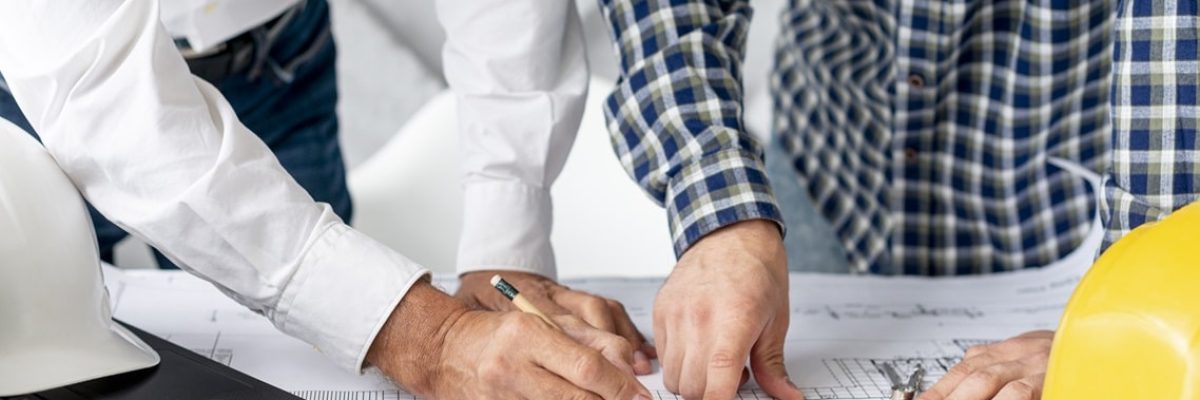
In today’s competitive construction industry, project management in construction plays a crucial role in ensuring projects are completed on time, within budget, and according to quality standards. Whether it’s an industrial complex, a healthcare facility, or a recreational center, successful construction management requires planning, communication, and leadership at every stage.
What Is Project Management in Construction?
Project management in construction is the process of planning, coordinating, and controlling a project from conception to completion. It involves defining goals, allocating resources, managing risks, and ensuring that all aspects of the project align with client expectations.
Construction project management differs from traditional project management because it deals with physical structures, materials, and large-scale coordination between various professionals, including architects, engineers, and contractors.
Key Phases of Construction Project Management
To understand how projects succeed, it’s important to know the main stages of construction project management:
1. Initiation and Feasibility
Every project starts with assessing feasibility. At this stage, engineers and investors determine the project’s goals, scope, and financial requirements. A feasibility study ensures the project is realistic and aligns with long-term objectives.
2. Planning and Design
Planning is the foundation of success. Detailed project plans are created, including timelines, budgets, material specifications, and risk management strategies. During the design phase, collaboration between architects and engineers ensures that technical and aesthetic goals are met.
3. Execution and Construction
Once planning is complete, the project moves into execution. Contractors, supervisors, and site managers coordinate daily operations to ensure construction runs smoothly. This stage requires strong leadership, continuous monitoring, and open communication among all teams.
4. Monitoring and Control
This phase focuses on tracking progress, managing costs, and ensuring quality control. Project managers use modern tools like Building Information Modeling (BIM) and digital dashboards to identify potential delays or budget overruns early.
5. Completion and Handover
When the project reaches completion, it undergoes final inspection and documentation. The site is handed over to the client, and post-project evaluations are conducted to identify lessons for future improvement.
Essential Skills for Successful Construction Project Managers
Effective construction project managers possess a diverse skill set:
-
Leadership: Guiding teams through challenges and maintaining motivation.
-
Communication: Ensuring all stakeholders are informed and aligned.
-
Financial Management: Monitoring budgets and optimizing cost efficiency.
-
Technical Knowledge: Understanding engineering principles and construction materials.
-
Risk Management: Identifying and mitigating risks before they affect timelines.
Common Challenges in Construction Project Management
Despite careful planning, construction projects often face obstacles. These include:
-
Unexpected weather conditions
-
Supply chain disruptions
-
Labor shortages
-
Cost overruns
-
Regulatory and safety compliance issues
To overcome these challenges, managers must remain adaptable, use real-time data, and communicate transparently with all stakeholders.
How Technology Enhances Project Management in Construction
Modern technology has transformed how construction projects are managed. Tools such as BIM (Building Information Modeling), drones, and AI-powered scheduling systems help teams visualize designs, monitor progress, and detect risks early.
Digital collaboration platforms also allow engineers, investors, and contractors to work seamlessly — even from different locations. This improves decision-making speed and project transparency.
The Role of Sustainability in Construction Projects
Sustainability is no longer optional — it’s a necessity. Project managers are now integrating green building practices and energy-efficient designs into construction plans. Using renewable materials, reducing waste, and minimizing the environmental footprint are key priorities in modern construction management.
Benefits of Professional Project Management in Construction
Working with experienced project managers offers several benefits:
-
Reduced project delays
-
Controlled costs and efficient resource use
-
Enhanced safety and compliance
-
Improved client satisfaction
-
Higher overall quality of construction
At Anin Engineering Company, we combine technical expertise with innovative management methods to deliver reliable results across industrial, mining, healthcare, and recreational projects.
Conclusion
Effective project management in construction ensures that every project — big or small — achieves its goals efficiently. With the right planning, leadership, and modern technology, success becomes measurable and sustainable.
If you’re planning an industrial, healthcare, or recreational development, our team at Anin Engineering Company is ready to help you achieve your vision.
Contact us today and discover how our experience can turn your project into a success story.
Frequently Asked Questions (FAQ)
1. What does project management in construction mean?
It refers to overseeing every phase of a construction project — from planning and design to execution and completion — to ensure it meets time, cost, and quality objectives.
2. Why is project management important in construction?
Without proper project management, construction projects risk delays, cost overruns, and safety issues. Management ensures coordination and efficiency.
3. What are the main responsibilities of a construction project manager?
They plan schedules, allocate resources, supervise teams, monitor progress, and maintain communication between all stakeholders.
4. How does technology improve construction project outcomes?
Technology allows better monitoring, communication, and risk prediction through tools like BIM, drones, and digital project tracking.
5. What types of projects does Anin Engineering handle?
Anin Engineering Company specializes in industrial, mining, recreational, and healthcare construction projects with a focus on precision and innovation.