

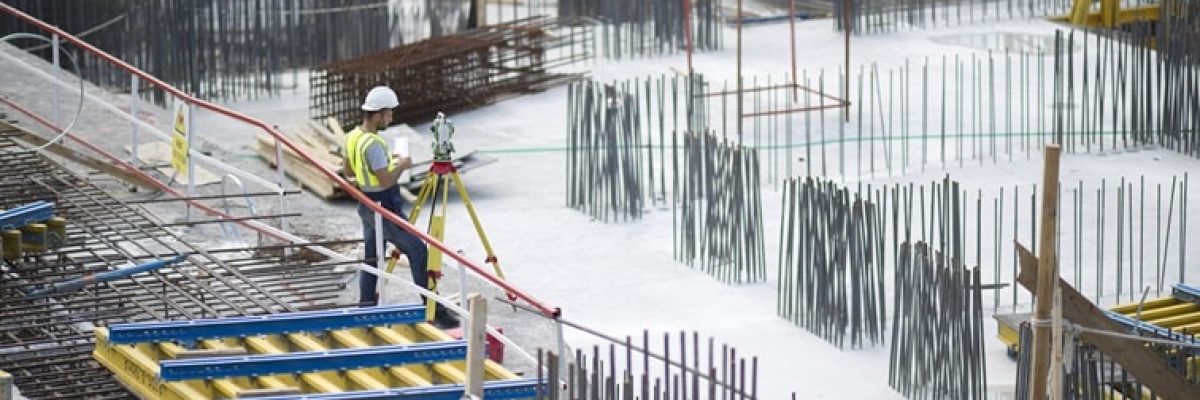
Concrete is one of the most widely used construction materials globally. It’s a strong, durable, and versatile mixture mainly composed of cement, water, and aggregates such as sand, gravel, or crushed stone. Whether you’re building a massive dam, an industrial facility, or a modern resort, this material plays a vital role in creating stable and long-lasting structures. According to the Portland Cement Association, it remains the most popular building material worldwide.
How Is Concrete Made?
Manufacturers create concrete by mixing Portland cement with water, forming a paste that binds with aggregates. As the mixture cures, it hardens into a rock-like material. The proportions of water, cement, and aggregates vary depending on the project’s requirements, which can greatly affect strength, durability, and setting time.
Chemical admixtures are often added to improve workability, adjust curing speed, and enhance performance in extreme weather conditions.
Types of Concrete and Their Applications
There are various types designed for specific uses:
-
Normal Strength Concrete: Commonly used in sidewalks and buildings.
-
Reinforced Concrete: Contains steel bars (rebars) to improve tensile strength, ideal for bridges and industrial structures.
-
Precast Concrete: Produced in a factory and transported to the site, suitable for large repetitive components.
-
High-Performance Concrete: Offers enhanced strength, durability, and workability, perfect for infrastructure and marine applications.
In mining and industrial projects, reinforced and high-performance types are preferred due to their ability to withstand high pressure and harsh environments.
Benefits of Using Concrete in Construction
This material offers many advantages that make it indispensable:
-
Durability: Can last for decades with minimal maintenance.
-
Fire Resistance: Does not burn and helps slow fire spread.
-
Cost-Effective: Materials are readily available and economical.
-
Energy Efficiency: Thermal mass helps regulate indoor temperatures.
Additionally, it can be locally sourced and recycled, making it a more sustainable choice compared to some other materials.
Common Uses in Industrial, Mining, and Recreational Projects
At Anin Engineering Company, concrete is used across various construction sectors:
-
Industrial: Foundations for factories and heavy machinery.
-
Mining: Tunnel lining, shafts, and underground structural support.
-
Recreational & Tourism: Resorts, pools, and entertainment complexes.
-
Healthcare & Medical Facilities: Clinics, hospitals, and rehabilitation centers built to strict standards.
Each project requires a specific formulation, and choosing the right type is crucial for safety and durability.
Tips for Working with Concrete
Before starting, consider these points:
-
Select the appropriate type for your project.
-
Collaborate with an experienced engineering team for design and planning.
-
Ensure proper curing time to prevent cracks or weaknesses.
-
Monitor temperature and moisture during curing.
Following these steps will maximize the lifespan and performance of your structures.
Conclusion
More than just a building material, concrete forms the backbone of modern infrastructure. Its versatility and strength make it suitable for projects ranging from industrial complexes to healthcare facilities.
If you’re planning a large-scale project and need expert advice on materials and construction, contact Anin Engineering Company today. With extensive experience in industrial, mining, healthcare, and recreational developments, we are ready to bring your vision to life.